Secure Payment Processing: The Essential Guide to SOC2 Compliant Digital Payout Platforms in 2026

Why a SOC2 Compliant Payment Platform Matters More Than Ever
Secure payment processing used to sit quietly in the background. That is no longer the case
The Shift in Expectation In industries like insurance, secure payment processing now plays a direct role in trust, compliance, and day-to-day operations. Recent data shows that most organizations are still dealing with payment fraud attempts — a shift that has pushed payment infrastructure into boardroom conversations. Moving to a SOC2 compliant payment platform is no longer just a technical upgrade. It has become a baseline expectation for organizations handling sensitive financial data
The Risk Is No Longer Hypothetical Data breaches continue to climb across the U.S., but what has changed is the intent behind them. Attackers are no longer casting wide nets — they are targeting systems that actually move money. For teams responsible for payouts, especially after claim approvals, the expectation is straightforward: payments need to go out securely, consistently, and with a clear record of what happened.
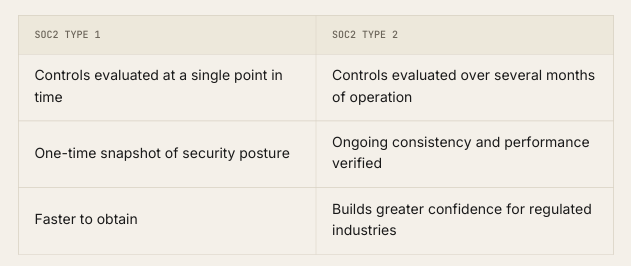
SOC2 Type 1 and Type 2 Type 1 looks at controls at a single point in time. Type 2 goes further and evaluates how those controls perform over several months. For payout systems, that distinction matters. Consistency over time is what builds confidence — not just a one-time check.
A SOC2 compliant payment platform does more than satisfy compliance requirements. It tends to make procurement smoother, reduce back-and-forth with security teams, and signal that the platform can be trusted in regulated environments.
The Check Fraud Problem and the Case for a Secure Digital Check Platform
Paper checks still hang around longer than most people expect, and they remain one of the easiest targets for fraud.
How Checks Are Designed to Fail The issue is not just bad actors — it is how checks are designed to work. Each step in the traditional check process introduces risk or delay. — Banking details are visible. — Multiple people handle them. — Delivery takes time. — Tracking is limited.
The Digital Alternative A secure digital check platform removes much of that friction. Instead of relying on physical delivery, checks are sent electronically. The experience stays familiar for recipients, but the underlying process is far more controlled.
The Insurance Context In regulated sectors such as insurance, this shift becomes more noticeable. Claims payouts are not always straightforward. There are multiple stakeholders, tight timelines, and a significant amount of sensitive information involved. When something goes wrong — whether it is a delay or a misdirected payment — it does not just slow operations. It can affect customer trust and raise compliance concerns.
A secure claims payout system helps avoid those issues by allowing payments to be triggered as soon as approvals are in place, while still keeping everything trackable and controlled behind the scenes.
The Role of a 24/7 Digital Payment Platform in Secure Payouts
Traditional payment systems still operate within schedules that feel increasingly outdated.
Beyond Business Hours Cutoff times, weekends, and holidays all introduce delays that do not align with current expectations. A 24/7 digital payment platform changes that by allowing payments to move whenever they need to, without waiting for the next business window.
The Trade-Off That flexibility helps — but it also introduces a trade-off. When payments can happen at any time, there is less room for correction after the fact. Once funds are sent, reversing them is not always simple. In practice, that means validation needs to happen upfront, before anything leaves the system.
The Insurance Standard For insurance payouts, this balance is critical. Once a claim is approved, expectations shift quickly. Payments are expected to move fast, but they still need to be accurate and fully traceable. That combination is not optional. This is where combining always-on availability with secure payment processing makes a real difference. It allows organizations to move faster while still maintaining control.
What to Look for in a Secure Claims Payout System
Choosing the right payout setup goes beyond technical capability. In insurance and other regulated industries, it directly shapes how efficiently teams operate and how confidently payments are handled.
End-to-End Security Security should run through the entire process, not just sit at the edges. It is about how data is protected, who can access it, and how consistently those controls are applied across the workflow.
Built-In Compliance and Audit Readiness It is much easier when compliance is built into the system from the start. Platforms that align with SOC2 standards and maintain audit trails automatically reduce the burden on internal teams.
Multi-Party Payment Support Insurance payouts rarely go to a single recipient. Vendors, service providers, and other stakeholders are often involved. Without structured approval flows, coordination can quickly become difficult.
Real-Time Visibility One of the more common operational frustrations is not knowing where a payment stands. Teams need clear, real-time updates so they are not chasing status across different systems.
Payment Flexibility Not every recipient prefers the same method. Offering options such as ACH, digital checks, or faster alternatives helps reduce delays and improves overall completion rates.
Key Takeaways.
Five points. The substance of what precedes them.
- Secure payment processing is now a core requirement as fraud risks and compliance expectations continue to rise.
- A SOC2 compliant payment platform provides ongoing assurance that security controls are working as intended.
- A secure claims payout system helps organizations execute payments quickly while maintaining control and traceability.
- A secure digital check platform reduces the risks tied to physical checks while preserving a familiar experience for recipients.
- A 24/7 digital payment platform enables faster payouts but requires stronger upfront validation to maintain accuracy.
Conclusion
Payment infrastructure has quietly become a critical part of how organizations operate.
The New Standard In sectors like insurance, the focus is no longer just on moving money. It is about ensuring that payouts are handled securely, consistently, and with full visibility. By combining secure payment processing, a SOC2 compliant payment platform, and flexible payout options, organizations can reduce risk while improving how payments are delivered.
The Direction Is Clear The systems that stand out will be the ones that balance speed, control, and security without adding unnecessary complexity. That balance — once difficult to achieve — is now the baseline expectation.
Platforms like Disburse Cloud are helping organizations modernize payout infrastructure with secure, compliant, and flexible digital payment solutions.